Captain’s Blog: May 11th, 2022
DATA:
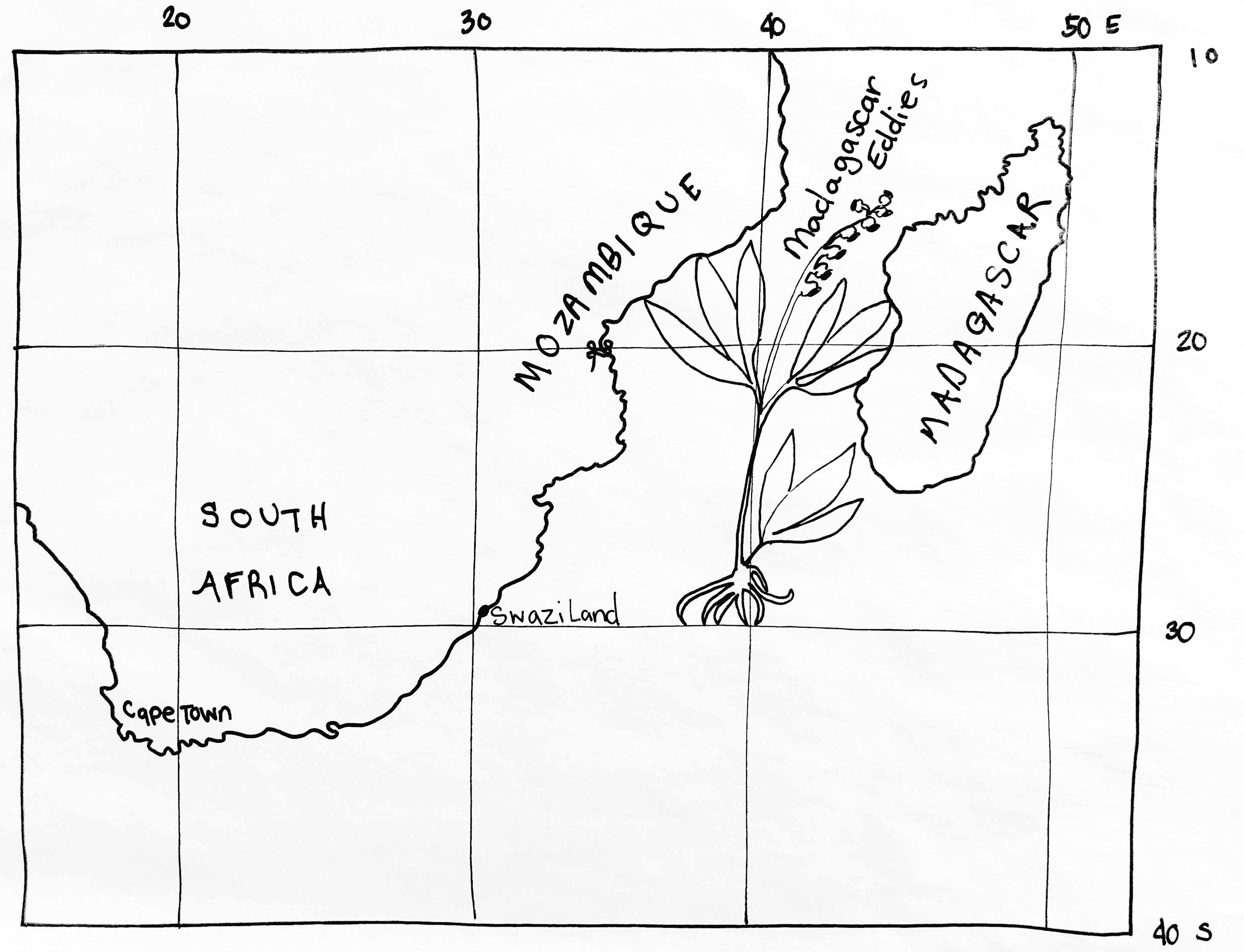
Location: West Madagascar
Geolocation: 30°0’S/36°E
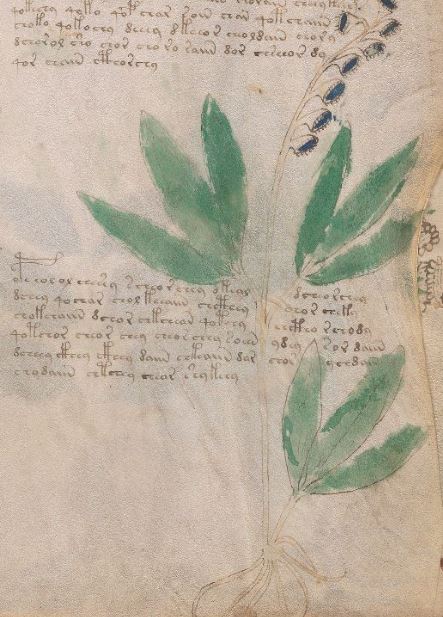
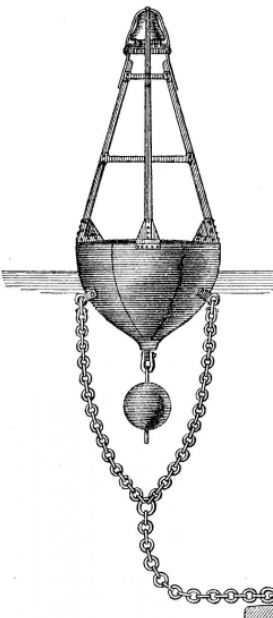
Math: (Surveying) Meander: In legal surveying terms a meander is the deepest part of a channel. Surveyors have in the past used a water channels meander as a property line. The authors use the term meander to describe the deepest part in the Mozambique Basin. These water’s have a multitude of eddies, spinning, splashing, rains upon rains, and nearly impossible to sail through. The only way through is to fix to the edge of the meander (which shifts and moves.) The right side of the boat called the leeward side is weak. To move up the channel the boat has to move to the left of buoys possibly set up by the authors of MS 408. Buoys are drawn as the Cicuta Virosa.
Ocean Currents/Gyre: Mozambique Channel Eddies
Ethnobotany:
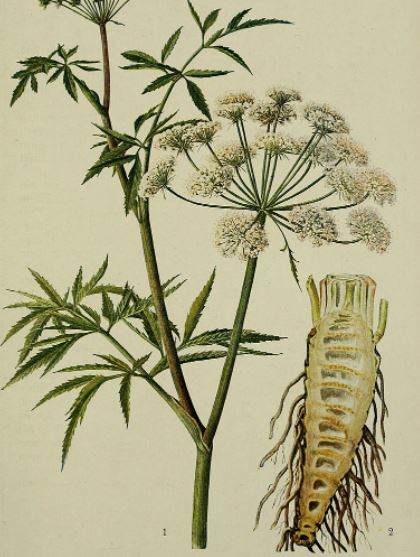
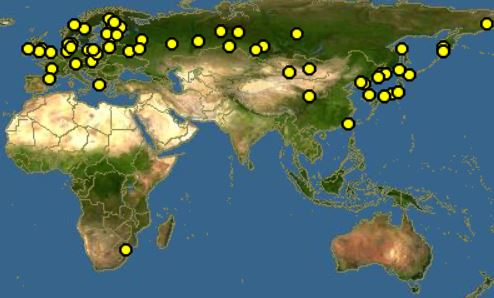
-Cicuta Virosa the Northern Water Hemlock – poisonous; nickname “Mark of Cain”. Grows near streams off the coast of Swaziland, Africa.
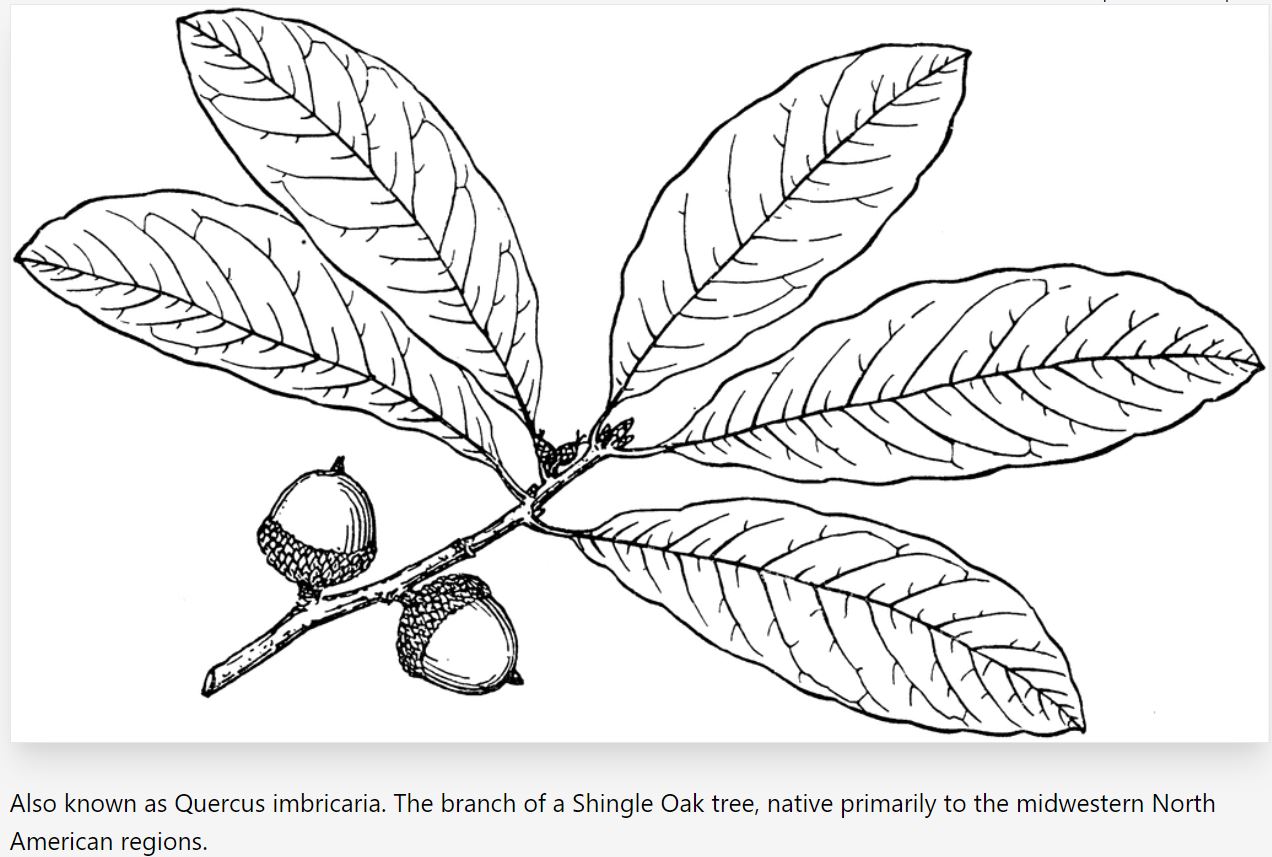
-Shingle Oak Tree – symbolize military power and rainfall. Grows in North America
-The Great Circle: using the Hemlock and the Oak Tree locations points to 36°E, south of Madagascar, the location of the roots.

English Translation:
Containerize by means of ocean gyre, wrong way leeward side. The lawful is true. The way is awe inspiring. Passing through prepare two radius’ of Earth. The orifice plates path force area pass through measurement is level. Unclear by provoking a meander drift. Enter the hour makes it valueless inactive rotation. Rainy, get the descending seas are mounted. Stake the level rod area, confirm. You go the wind! The authors reference the space individually twisting the secant arc. The yearly force is fixed to descend.
Gusty wind, you go bedding the branches it struggled the rhumb pass through, they eddy the location and rumbles. Join acute time lacking a strong wind out. Rain surrounds. Confirm the out is weak and a dammer. See the barrier orifice plate passing through they orifice plate passing through the rhumb ruler axis’ a successive measurement enginous borders the known world. The borders of the known world measurement is a means of escape. Fortified the wind employs out the citation is attended by means of the circumference + velocity of an orifice + knots.
Voynicheese:
etuira uia veruia puiesa via lua uir se via
auesa uia utya tve tyer uier via vi tyesor ra
uesom uera uia som ron ueron uya tysh
uete jete ua syia styer uie ison uera
suer ei ve uer ue re rom ser uryer sa
jer uon uler ua
epuei ei uiria ruie r uia etioi || suie ruia
suia jeuor uei tyom uulia || uer uita
uet uom suer ut uiok jelua uule ruesa
jeluer uier uia uier uia r iik || asia || rer som
suya utia utia som utom sor || uer || auson
uesom ul uia uior va tya
Easter Egg #1: Cicuta Virosa the Northern Water Hemlock
The Northern Water Hemlock was a plant used in medieval times by witches and sorcerers to ruin male sexual urges. This plant is pure poison and will cause death by respiratory failure. Which is how it got the name “Mark of Cain.” Thought to be capable of astral travel by loosening the body from the soul. The name comes from Greek etymology meaning to spin/whirl because it causes great dizziness. There is only one location outside the Northern hemisphere where the Hemlock grow and that is in the streams off the coast of Swaziland, Africa.
Easter Egg #2: Shingle Oak Tree
The Shingle Oak Tree grows in the Midwest of America around the Chicago/Philadelphia regions in which the Voynich Manuscript calls it the boarders of the known world.
Throughout the major cultures of Europe people have held the oak tree in high esteem. To the Greeks, Romans, Celts, Slavs and Teutonic tribes the oak was foremost amongst venerated trees. In each case associated with the supreme god in their pantheon, oak being sacred to Zeus, Jupiter, Dagda, Perun and Thor, respectively. Each of these gods also had dominion over rain, thunder and lightning. It is no coincidence that oak trees are more prone to lightning strikes than many other trees. This is because of the tree’s high water content and the fact that they are frequently the tallest living things in the landscape.
The Druids frequently worshipped and practised their rites in oak groves. The word Druid may derive from a Celtic word meaning “knower of the oak tree”. The Gaelic word for oak is darach and remains in place names such as Glac Daraich (oak hollow/small valley) in Glen Affric.
Ancient kings presented themselves as the personifications of these gods. They took on the responsibility not only for success in battle but also the fertility of the land, which relied on rainfall. They wore crowns of oak leaves, as a symbol of the god they represented as kings on Earth. Similarly, successful Roman commanders were presented with crowns of oak leaves during their victory parades. Oak leaves have continued as decorative icons of military prowess to the present day. Oak leaves’ connection with rainfall also survived in more recent folklore.

Notes: The Great Circle
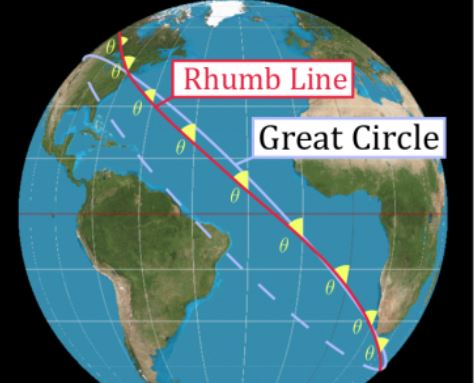
In previous posts we went over the Great Circle but it is the very essence of the Voynich Manuscript. The Great Circle – The sailors Rhumb Line is: A rhumb line is a curve that crosses each meridian at the same angle. This curve is also referred to as a loxodrome (from the Greek loxos, slanted, and drome, path). Although a great circle is a shortest path, it is difficult to navigate because your bearing (or azimuth) continuously changes as you proceed.
To fix the location to Folio 30r-30v the authors created a rhumb line using the points between the Shingle Oak Tree of North America and the Swaziland, African Cicuta Virosa. The approximate location is South of Madagascar 36°E.
Easter Egg #3: Surveyors Meander
In legal surveying terms a meander is the deepest part of a channel. Surveyors have in the past used a water channels meander as a property line. In 1890 there was a major court case between Washington and Oregon in the Columbia River. The dispute was the Columbia River’s meander and who owned what part of the Columbia River. The final verdict from the court was that the court can not control the ever changing paths created by God.
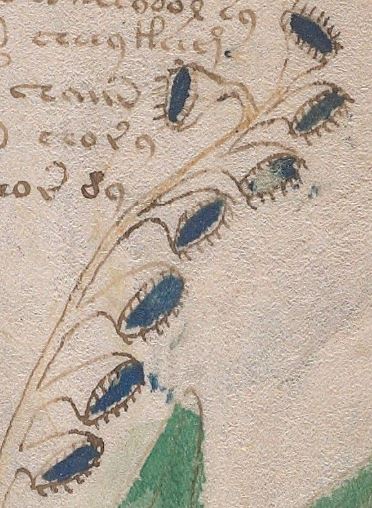
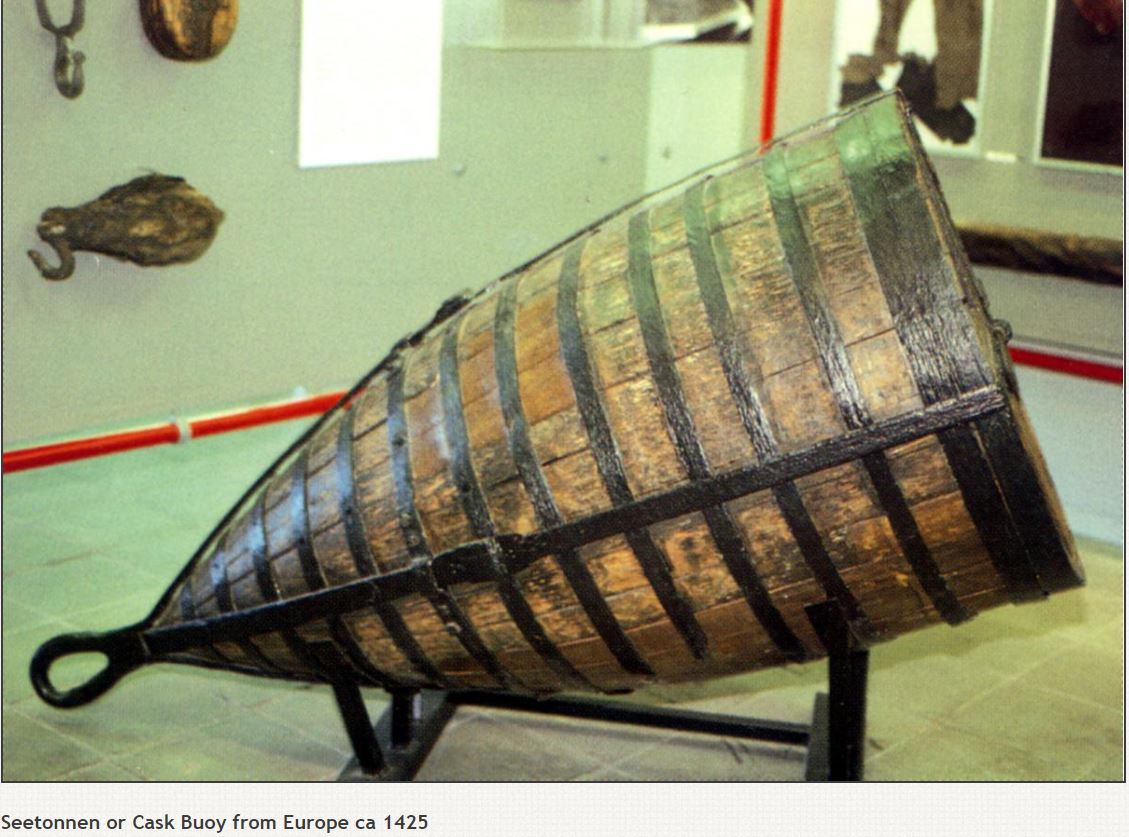
The Voynich uses the term meander to describe the deepest part of the ocean in the Madagascar channel. These water’s have a multitude of eddies, spinning, splashing, rains upon rains, and nearly impossible to sail through. The only way up is is to fix dead center of the meander (which shifts and moves.) The right side of the boat called the leeward side is weak. To move up the channel the boat has to move to the left of buoys set up by the authors of the Voynich. The authors drew the buoys as the flowers on the page. It is also important to note that there are 9 leaves. This citation calculates the knots in the Madagascar current 9.3 km per hour – the fastest flowing channel in the world.

Go to Folio 30v
 Tucker STEM Team